Whether you’re evaluating a property’s condition or preparing it for the market, understanding the role of termite inspections can prevent costly surprises and ensure smoother transactions.
Termites are often called “silent destroyers” for a reason. They can cause extensive structural damage long before visible signs appear. For homeowners preparing to buy or sell, a professional termite inspection is more than a precaution; it’s a critical step in protecting investment and negotiating leverage.
The Hidden Nature of Termite Damage
Termites consume wood from the inside out. By the time exterior damage becomes visible, structural components may already be compromised. Floors can weaken, support beams may deteriorate, and framing can suffer significant damage.
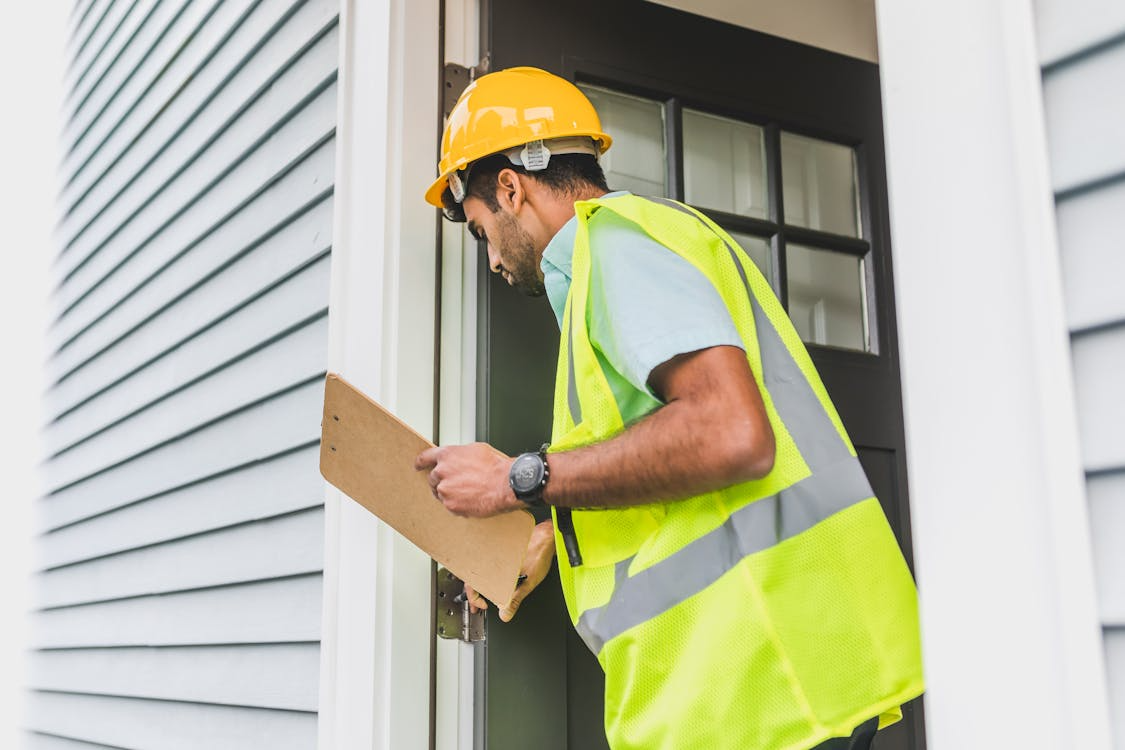
Because termites often remain hidden within walls, crawl spaces, or foundation areas, visual inspection alone is insufficient. Professional inspectors use specialized tools and experience to identify subtle warning signs such as mud tubes, hollow-sounding wood, or discarded wings.
Without proper inspection, buyers may unknowingly inherit costly repairs. Sellers, on the other hand, risk delayed closings or price reductions if infestations are discovered late in the transaction.
Explore Crawl Space Encapsulation Explained for moisture control that prevents termites.
Why Buyers Should Insist on Inspection
For homebuyers, a termite inspection provides peace of mind and valuable negotiating information. If evidence of infestation or damage is found, buyers can request treatment, repairs, or price adjustments before closing.
Mortgage lenders in many regions require termite inspections as part of the loan approval process. Even when not mandated, skipping this step exposes buyers to potential structural risks.
An inspection report documents the home’s current condition and any recommended treatments. This clarity reduces uncertainty and supports informed purchasing decisions.
See Professional Mold Remediation vs. DIY Cleanup for risks moisture problems can create.
How Inspections Protect Sellers
Sellers also benefit from proactive termite inspections. Identifying issues before listing allows time to address them properly and avoid last-minute negotiations.
Providing documentation of a clean inspection can strengthen buyer confidence and speed up the closing process. It signals responsible homeownership and reduces concerns about hidden damage.
If treatment is necessary, completing it before listing demonstrates transparency. This approach often prevents more significant complications during escrow.
Structural Risks and Repair Costs
Termite damage can affect load-bearing elements, including joists, beams, and subflooring. Repairs may require structural reinforcement or replacement of damaged wood.
The longer termites remain active, the more extensive and expensive repairs become. Early detection significantly limits damage and reduces overall cost.
Professional inspections not only identify active infestations but also assess previous damage. Inspectors can distinguish between old, treated issues and ongoing activity, providing accurate context for buyers and sellers.
Learn Why Professional Insulation Is the Most Underrated Home Upgrade for protecting framing and wall cavities.
Treatment and Prevention Options
If termites are detected, professional pest control services offer targeted treatment options. These may include baiting systems, liquid barrier treatments, or localized wood treatments.
After treatment, inspectors often provide clearance documentation confirming resolution. Preventative measures, such as improving drainage or reducing wood-to-soil contact, further reduce risk.
Ongoing monitoring may be recommended in areas prone to termite activity. Regular inspections help maintain structural integrity over time.
Consider Radon Testing and Mitigation: A Hidden Health Issue for another inspection buyer’s request.
Why Professional Expertise Matters
Termite identification requires specialized training. Other insects may cause superficial damage that resembles termite activity. Accurate diagnosis ensures appropriate treatment.
Professional inspectors understand regional termite species and the environmental risk factors associated with them. Their expertise provides reliable assessment and documentation.
DIY inspections rarely detect hidden infestations effectively. Professional evaluation protects both financial investment and structural safety.
Whether buying or selling, termite inspections provide critical protection and termite treatment recommendations against hidden structural damage.
By identifying infestations early, supporting negotiation transparency, and documenting property condition, professional inspections safeguard transactions and long-term home value. In real estate, clarity reduces risk, and termite inspections deliver exactly that.