Professional radon testing and mitigation services provide essential protection against this hidden health risk.
Radon is an invisible, odorless gas that can accumulate inside homes without warning. It forms naturally from the breakdown of uranium in soil and rock, and it can enter houses through foundation cracks, crawl spaces, and sump pits.
Because radon cannot be seen or smelled, many homeowners are unaware of its presence. Yet prolonged radon exposure is a leading cause of lung cancer among non-smokers.
How Radon Enters the Home
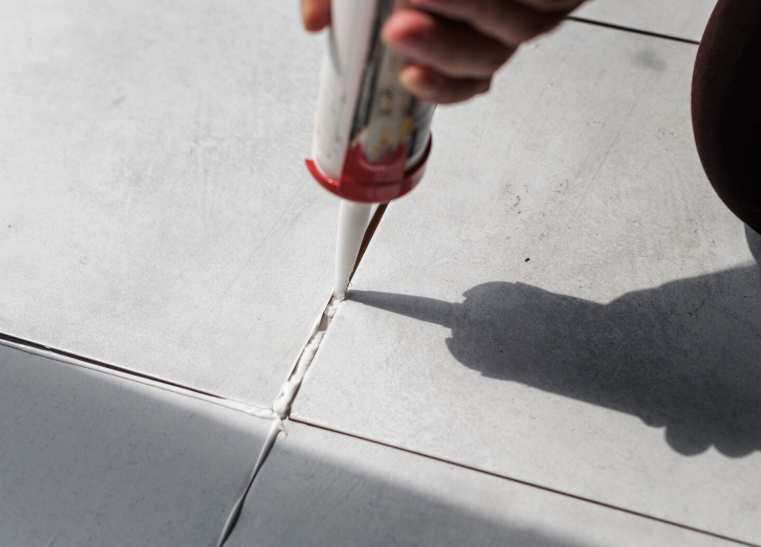
Radon gas rises from the ground and can seep through even small openings in a home’s foundation. Cracks in slabs, gaps around plumbing penetrations, and porous concrete surfaces allow the gas to enter living spaces.
Homes with basements or crawl spaces are particularly vulnerable, but radon can affect properties of all types and ages. New construction is not immune; tightly sealed homes may even trap higher concentrations.
Because radon levels vary by region and soil composition, the only way to determine risk is through proper testing. Assumptions based on home age or location are not reliable indicators.
Explore Crawl Space Encapsulation Explained for additional insight into sealing soil gases.
The Health Risks of Long-Term Exposure
Radon exposure occurs when the gas breaks down into radioactive particles that can be inhaled. Over time, these particles damage lung tissue and increase the risk of cancer.
The Environmental Protection Agency (EPA) recommends mitigation when radon levels reach or exceed 4 picocuries per liter (pCi/L). Even lower levels may warrant action depending on circumstances.
Unlike immediate hazards, radon poses long-term risk. Because symptoms do not appear until advanced illness develops, proactive testing is critical for prevention.
The Importance of Professional Radon Testing
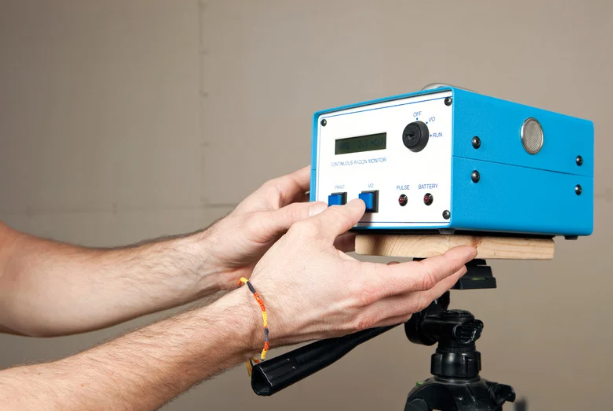
Short-term and long-term radon tests are available, but professional testing ensures accurate results. Certified technicians use calibrated equipment and follow standardized protocols.
Testing devices are placed in the lowest livable area of the home for a specified duration. After analysis, homeowners receive documented results outlining radon concentration levels.
In real estate transactions, professional radon testing provides transparency for buyers and sellers. Many buyers request testing before closing to confirm safety.
See Foundation Inspections Before Cosmetic Renovations for structural entry-point concerns.
How Radon Mitigation Systems Work
If elevated radon levels are detected, mitigation systems can significantly reduce concentrations. The most common method involves sub-slab depressurization.
This system uses a vent pipe and fan to draw radon gas from beneath the foundation and safely release it above the roofline. By preventing radon from entering the home, indoor levels drop dramatically.
Professional installation ensures proper sealing, fan placement, and vent routing. Ongoing monitoring confirms system effectiveness.
Consider Sump Pump Installation for Flood Prevention for related basement protection.
Protecting Property Value and Buyer Confidence
Radon concerns can affect real estate negotiations. Elevated levels discovered during inspection may delay closings or require mitigation before sale.
Installing a professional mitigation system demonstrates responsible homeownership. Documented reduced radon levels reassure buyers and simplify transactions.
In many cases, mitigation systems are discreet and require minimal maintenance once installed.
Check Termite Inspections Before Buying or Selling for another buyer-focused inspection.
Why Professional Expertise Matters
Accurate testing and proper mitigation design are essential for effective results. An incorrect installation may fail to adequately reduce radon levels.
Certified professionals understand regional soil conditions, building construction variables, and airflow dynamics. Their expertise ensures compliance with safety standards.
DIY mitigation attempts may not address the root entry points or maintain proper airflow balance. Professional systems deliver reliable, long-term protection.
Radon may be invisible, but its health impact is real. Through professional testing and mitigation, homeowners can eliminate uncertainty and reduce long-term risk. By addressing this hidden issue proactively, families protect both their health and the long-term value of their home.