Understanding the differences between professional mold remediation and DIY cleanup helps homeowners protect their health and property long term.
Mold is more than a cosmetic nuisance. It signals moisture problems and can impact both structural materials and indoor air quality.
When homeowners discover mold in bathrooms, basements, or behind walls, the first instinct is often to clean it themselves. While small surface spots may be manageable, larger or hidden infestations require more than household cleaners.
The Limits of DIY Mold Removal
Store-bought mold sprays and bleach solutions can remove visible surface staining. However, they rarely address the underlying moisture source that allowed mold to grow in the first place.
Mold often penetrates porous materials such as drywall, insulation, and wood framing. Surface cleaning may temporarily reduce appearance but leave spores embedded beneath. Without proper containment, disturbed mold can also release spores into the air, spreading contamination to other areas.
DIY efforts are most appropriate for very small, isolated areas. Once mold covers larger sections or repeatedly returns, professional intervention becomes necessary.
Explore Indoor Air Purification System Installation to improve indoor air quality after mold issues.
Health Risks and Air Quality Concerns
Mold exposure can trigger respiratory irritation, allergies, and asthma symptoms. Certain types of mold produce spores that irritate sensitive individuals even at low levels.
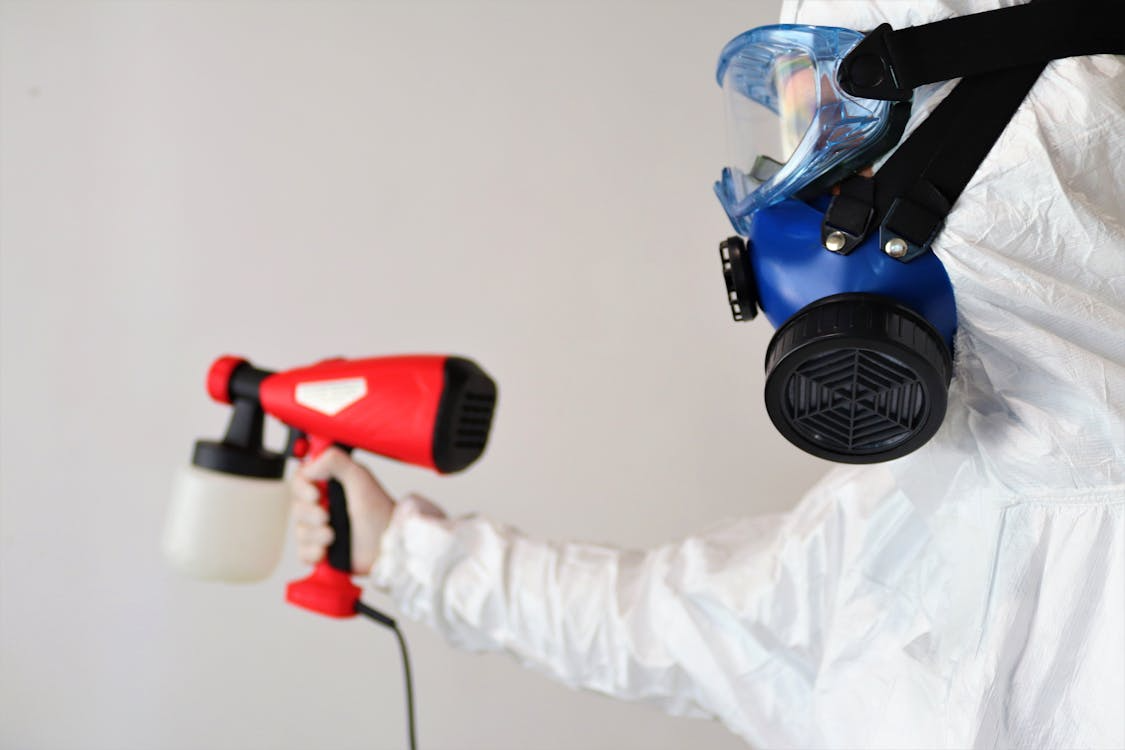
Attempting removal without protective equipment may increase exposure. Scrubbing or sanding moldy materials can release microscopic spores into the air, worsening indoor air quality.
Professional remediation teams use containment barriers, negative air pressure systems, and protective gear to prevent cross-contamination. This controlled approach protects both occupants and workers during cleanup.
Check Radon Testing and Mitigation: A Hidden Health Issue for another environmental safety upgrade.
Identifying and Fixing the Moisture Source
Mold growth always indicates excess moisture. It may stem from roof leaks, plumbing failures, poor ventilation, or seepage through the foundation.
Professional remediation begins with identifying and correcting the moisture source. Without this step, mold is likely to return regardless of cleaning efforts.
Technicians use moisture meters and thermal imaging to locate hidden areas of dampness. Addressing these underlying issues ensures long-term resolution rather than temporary suppression.
Read Crawl Space Encapsulation Explained to reduce moisture that can cause mold growth.
Proper Removal and Restoration
Professional remediation involves more than cleaning. Contaminated materials may need to be removed and replaced safely. Porous materials such as drywall, carpeting, or insulation are often discarded if heavily affected.
After removal, antimicrobial treatments may be applied to prevent recurrence. Air scrubbers and HEPA filtration systems are used to capture airborne spores during the process.
The final step includes verification that moisture levels have stabilized and that mold growth has been eliminated. This comprehensive approach restores both safety and structural integrity.
Protecting Property Value and Documentation
Mold issues can complicate home sales and insurance claims. Buyers often request documentation confirming that mold problems have been professionally resolved.
Professional remediation provides written reports outlining the scope of work, treatment methods, and resolution status. This documentation supports transparency during resale and may assist with insurance processes.
DIY cleanup typically lacks this level of verification, raising concerns during inspections.
See Foundation Inspections Before Cosmetic Renovations to identify moisture problems.
When Professional Remediation Is Essential
If mold covers more than a small area, emits strong odors, or repeatedly returns, professional evaluation is recommended. Homes with recent water damage or flooding also require expert assessment.
Attempting to manage mold growth without proper containment can spread contamination further throughout the home.
Professional remediation offers controlled removal, long-term prevention, and health protection that DIY methods cannot fully replicate.
While small surface mold spots may be handled cautiously by homeowners, larger or persistent infestations demand expert attention. By addressing moisture sources, containing spores, and safely restoring affected areas, professional mold remediation protects both health and home value. In many cases, investing in expert service prevents greater costs and risks down the road.