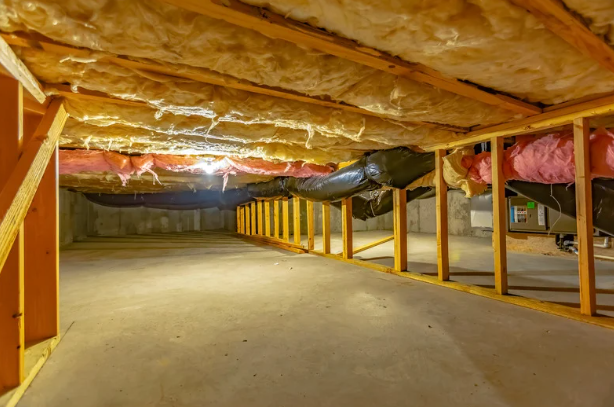
Crawl space encapsulation is a professional solution designed to control moisture and stabilize the environment below your home. When done properly, it delivers comfort, protection, and long-term savings.
Crawl spaces are often overlooked because they are out of sight. Yet what happens beneath your home can significantly affect indoor air quality, structural integrity, and energy efficiency.
Traditional vented crawl spaces allow outside air and moisture to enter freely, creating conditions for mold growth, wood rot, and insulation damage.
Controlling Moisture at the Source
Moisture is the primary threat in crawl spaces. Groundwater vapor, humid outdoor air, and plumbing leaks can all contribute to damp conditions. Over time, excess moisture encourages mold growth and wood deterioration.
Encapsulation involves sealing the crawl space with a heavy-duty vapor barrier that covers the ground and walls. This barrier blocks ground moisture from entering the space.
Professionals also seal vents and gaps to prevent infiltration of outside air. By controlling humidity levels, encapsulation reduces the risk of long-term structural damage.
Explore Backyard Drainage Solutions That Protect Landscaping for insight into managing water flow.
Improving Indoor Air Quality
Air from crawl spaces often rises into living areas through a process known as the stack effect. If the crawl space contains mold, mildew, or musty odors, those contaminants can circulate throughout the home.
Encapsulation reduces airborne pollutants by sealing off moisture sources and stabilizing air conditions. In many cases, dehumidifiers are added to maintain consistent humidity levels.
By creating a dry and controlled environment, homeowners often notice reduced odors and improved indoor air quality.
Consider Indoor Air Purification System Installation for additional ways to improve home air quality.
Enhancing Energy Efficiency
Unsealed crawl spaces allow temperature fluctuations to affect the home’s floors and interior climate. In winter, cold air infiltrates beneath the home, increasing heating demands. In summer, humid air raises cooling loads.
Encapsulation stabilizes temperatures by creating a sealed environment. Insulation may also be added along crawl space walls to improve thermal performance.
With reduced air leakage and controlled humidity, HVAC systems operate more efficiently. This can lead to lower energy bills and improved comfort.
See Why Professional Insulation Is the Most Underrated Home Upgrade for strategies that reduce energy loss.
Protecting Structural Components
Wood framing and support beams in crawl spaces are vulnerable to moisture-related damage. Over time, persistent dampness can weaken structural elements.
Encapsulation reduces this risk by keeping the space dry and preventing fungal growth. By minimizing moisture exposure, homeowners protect the long-term structural stability of their homes.
Routine inspections after encapsulation help ensure the barrier remains intact and effective.
Deterring Pests and Insects
Moist crawl spaces attract pests such as termites, rodents, and insects. Standing water and damp wood provide ideal nesting conditions.
Sealing the crawl space reduces entry points and removes the moisture that pests depend on. While encapsulation does not replace pest control, it supports a less hospitable environment for infestations.
Professional installation ensures all seams and edges are properly sealed to maximize effectiveness.
Read Attic Storage Conversion Services for insight into improving ventilation and space.
Why Professional Installation Matters
Crawl space encapsulation requires precise preparation and installation. Surfaces must be cleaned and dried before vapor barriers are applied.
Professionals assess drainage issues, seal foundation gaps, and ensure proper dehumidification systems are in place. Incorrect installation may trap moisture rather than control it.
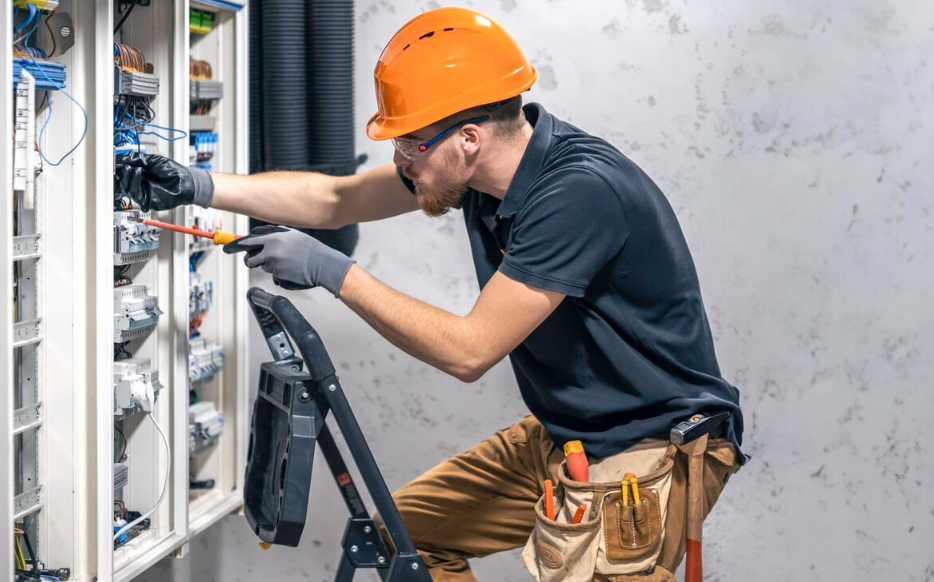
Licensed contractors understand local building codes and ensure safe integration of electrical and ventilation systems.
Crawl space encapsulation transforms a neglected area into a controlled environment that supports overall home health. By managing moisture, improving air quality, enhancing energy efficiency, and protecting structural components, this upgrade offers substantial long-term value.
For homeowners facing damp conditions or rising energy costs, professional encapsulation offers proactive, lasting protection.