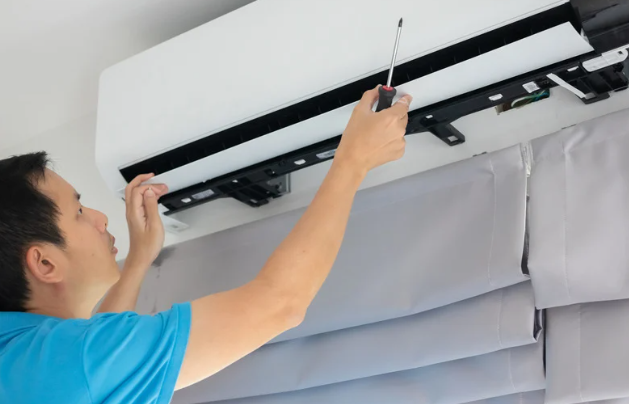
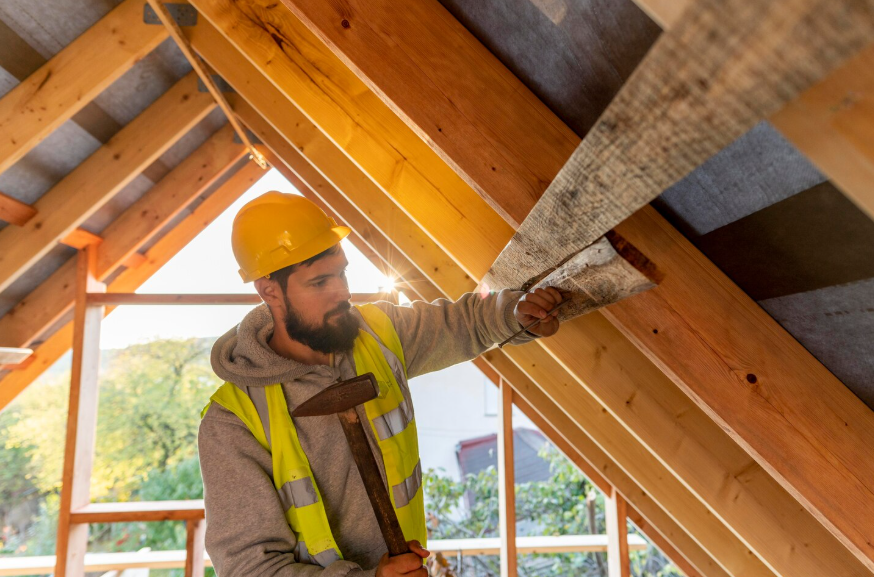
Is this a good hero image? Give me a short title describing the image ( 3 to 5 words) and seo alt text that includes the main key phrase.
Attic storage conversion services go beyond simply laying down plywood. They ensure safety, stability, and efficient use of available square footage.
Attics are often treated as catch-all spaces for boxes and seasonal decorations. Yet many homes have untapped potential above the ceiling.
With proper structural assessment and professional planning, attics can be converted into organized, accessible storage areas that improve functionality and free up space elsewhere in the home.
Evaluating Structural Requirements
Not all attics are designed to support regular foot traffic or heavy storage loads. In some homes, ceiling joists are built only to support drywall, not additional weight.
A professional attic conversion begins with a structural evaluation. Contractors assess load-bearing capacity and determine whether reinforcement is needed.
Adding floor decking without proper support can cause ceiling sagging or structural stress. Reinforcing joists and ensuring proper framing provide a safe foundation for long-term storage use.
Explore Foundation Inspections Before Cosmetic Renovations for insight into load risks and structural readiness.
Improving Access and Safety
Many attics rely on narrow pull-down ladders or small hatches, which makes access awkward and unsafe. For a functional storage conversion, you need a safe, convenient way to get in and out.
Professional teams often install sturdy stair systems, widen access openings, and improve lighting. As a result, you can use the attic more comfortably and safely on a regular basis.
They also add proper flooring, secure handrails, and insulation, which reduces accident risk and helps safeguard both homeowners and stored items.
Maximizing Organization Potential
A converted attic should offer more than open floor space. Thoughtful organization systems improve usability and prevent clutter.
Custom shelving, labeled storage zones, and insulated containers help homeowners store items systematically. Seasonal decorations, keepsakes, and rarely used belongings can be neatly arranged rather than stacked randomly.
Professional planners evaluate roof slope, truss placement, and available headroom to design efficient layouts.
Consider Custom Shelving Installation for Small Spaces for layout ideas.
Addressing Insulation and Ventilation
Attics play a critical role in home insulation and airflow. Improper storage conversion can block ventilation pathways or compress insulation, reducing energy efficiency.
Professionals ensure that conversions preserve proper ventilation and insulation levels. In some cases, insulation upgrades may be recommended to improve performance.
Balancing storage needs with airflow requirements protects both energy efficiency and roof longevity.
Read Why Professional Insulation Is the Most Underrated Home Upgrade for airflow-safe storage planning.
Protecting Stored Items
Temperature fluctuations and humidity can damage stored belongings. Extreme heat in summer or cold in winter may affect electronics, documents, and fabrics.
Professional conversion may include moisture barriers, radiant barriers, or climate considerations to better protect sensitive items.
By creating a cleaner, more controlled storage environment, homeowners reduce the risk of damage to valuables.
Enhancing Home Value and Usable Space
Converting attic space into organized storage increases usable square footage without expanding the home’s footprint. Buyers often value efficient storage solutions.
While not always counted as finished living space, well-designed attic storage can enhance a property’s overall appeal.
By reducing clutter in garages, closets, and attics, attic conversions improve organization throughout the home.
Check Professional Closet Systems vs. DIY Storage for comparisons on planning, durability, and access.
Why Professional Services Matter
Attic conversions require careful attention to structural integrity, safety, and building codes. If you cut corners, you can weaken roof framing or disrupt ventilation.
That’s why professional contractors evaluate loads, reinforce framing to meet code, and keep electrical and HVAC components clear and accessible. Meanwhile, DIY projects often miss weight distribution and airflow details, so problems show up later and require expensive fixes.
Ultimately, attic storage conversion services unlock the hidden potential above your home. By reinforcing the structure, improving access, and protecting insulation and ventilation, professionals turn unused space into practical, organized storage. As a result, homeowners gain more breathing room without taking on a major expansion.