A professional sump pump installation service actively removes excess water before it accumulates, protecting both property and peace of mind.
Basement flooding can cause extensive damage within hours. From ruined flooring and drywall to mold growth and structural concerns, water intrusion is one of the most expensive home disasters.
For homes prone to heavy rain, rising groundwater, or poor drainage, sump pump installation provides a critical line of defense.
How Sump Pumps Protect Basements
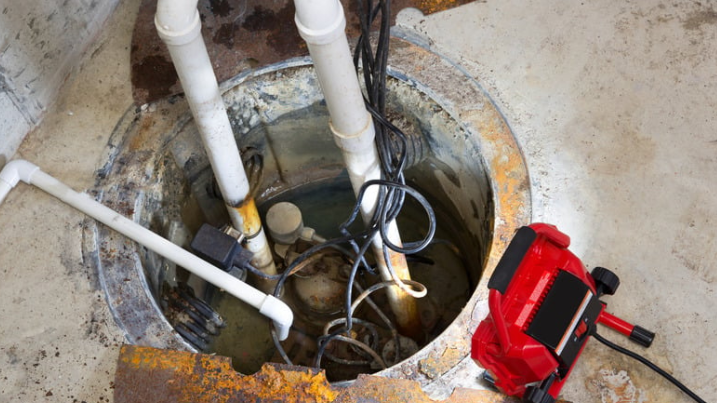
A sump pump works by collecting groundwater in a basin, typically installed at the lowest point of a basement or crawl space. When water levels rise, the pump automatically activates and directs water away from the foundation through a discharge line.
This continuous monitoring prevents standing water from building up during storms. Without a sump pump, groundwater pressure can force moisture through foundation cracks or floor joints.
Professional installation ensures the pump is properly positioned and connected to an appropriate drainage outlet. Correct placement maximizes efficiency and minimizes the risk of overflow.
Explore Backyard Drainage Solutions That Protect Landscaping for managing runoff effectively.
Reducing the Risk of Structural Damage
Water intrusion doesn’t just damage finishes; it can weaken foundation materials over time. Repeated exposure to moisture may cause cracking, shifting, or deterioration of structural components.
By actively removing water before it pools, sump pumps reduce hydrostatic pressure against foundation walls. This lowers the risk of structural stress and long-term damage.
Professional installers assess soil conditions and drainage patterns around the home. They ensure that discharge lines direct water far enough from the foundation to prevent recirculation.
See Foundation Inspections Before Cosmetic Renovations for early signs of moisture damage.
Protecting Belongings and Finished Spaces
Many homeowners use basements for storage, home offices, or additional living areas. Even minor flooding can damage furniture, electronics, and personal belongings.
Finished basements are especially vulnerable. Carpeting, drywall, and insulation can absorb water quickly, leading to costly restoration and mold remediation.
Sump pump installation provides ongoing protection, preserving finished spaces and stored items. Backup systems, such as battery-powered pumps, add additional security during power outages.
Preventing Mold and Air Quality Issues
Moisture creates ideal conditions for mold growth. Even small amounts of water can lead to lingering humidity and hidden mold development.
By promptly controlling water intrusion, sump pumps reduce the likelihood of mold spreading throughout the home. Lower moisture levels contribute to healthier indoor air quality.
Professional installation may include sealing cracks and improving drainage to further limit moisture entry. This comprehensive approach enhances overall effectiveness.
Compare Professional Mold Remediation vs. DIY Cleanup for solutions when moisture leads to mold.
Understanding Installation Considerations
Installing a sump pump involves more than placing a unit in the basement floor. The basin must be excavated properly, and discharge lines must meet local building codes.
Professionals evaluate electrical requirements and recommend pump capacity based on property size and flood risk. They may also suggest installing check valves or backup systems to prevent backflow.
Improper installation can lead to inadequate drainage or pump failure during critical moments. Expert setup ensures reliable performance when it matters most.
Check Crawl Space Encapsulation Explained for additional moisture control.
Long-Term Value and Peace of Mind
While not every home requires a sump pump, properties in flood-prone areas benefit significantly from proactive protection. The cost of installation is modest compared to the potential expense of repeated flood damage.
Homebuyers often view sump pumps as a positive feature, particularly in regions with heavy rainfall or high water tables. Documented flood prevention measures can enhance resale confidence.
Sump pump installation transforms flood response from reactive cleanup to preventative protection. By actively managing groundwater, homeowners reduce structural risk, protect belongings, and maintain healthier indoor environments. In areas susceptible to moisture intrusion, professional installation provides dependable defense against costly water damage.