HVAC zoning for multi-level homes offers a smarter solution by dividing the home into independently controlled areas. Professionally installed zoning improves comfort, enhances efficiency, and reduces energy waste.
Multi-level homes often struggle with uneven temperatures. Upstairs rooms may feel warmer in summer, while lower levels stay cooler year-round. Traditional single-thermostat systems attempt to regulate the entire house from one location, which rarely accounts for variations in sun exposure, ceiling height, and airflow.
Why Multi-Level Homes Experience Temperature Imbalances
Heat naturally rises, which means upper floors often retain more warmth. In winter, this can cause lower levels to feel chilly while upstairs becomes overheated. In summer, attic heat gain intensifies the problem.
Single-zone systems rely on one thermostat to regulate the entire house. When that thermostat reaches the desired temperature, the system shuts off—even if other areas remain uncomfortable.
Zoning addresses this imbalance by allowing separate areas of the home to operate independently. Each zone maintains its own temperature setting, improving overall comfort.
Explore The True Cost of Skipping Annual HVAC Maintenance for additional insights on HVAC systems.
How HVAC Zoning Systems Work
A zoning system uses motorized dampers installed within ductwork. These dampers open and close to direct airflow to specific areas in response to thermostat demand.
Each zone is controlled by its own thermostat. When one zone requires heating or cooling, dampers adjust to deliver conditioned air where it’s needed most.
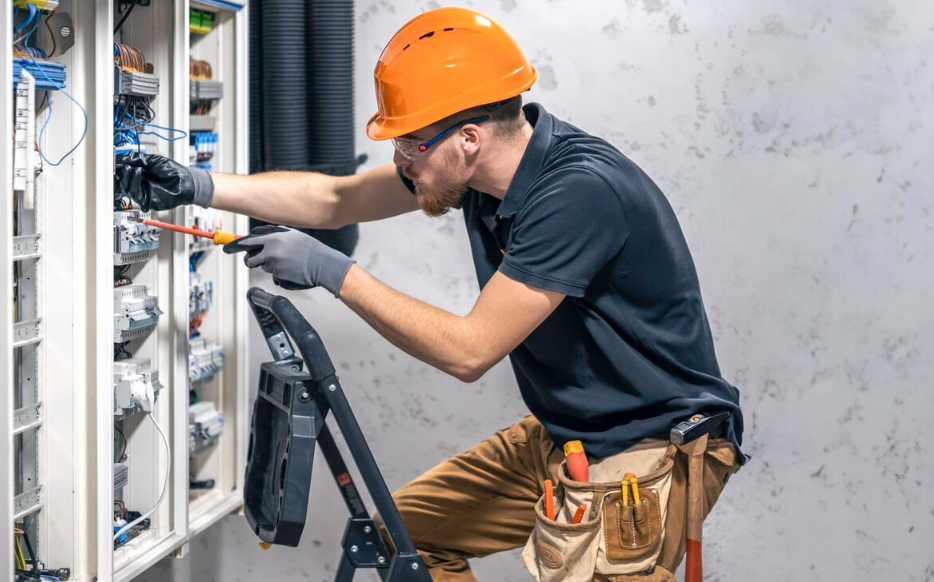
Professional installation ensures proper damper placement, wiring integration, and system calibration. Accurate setup prevents airflow conflicts and maintains system efficiency.
Improving Energy Efficiency
Without zoning, homeowners often over-condition certain areas to achieve comfort elsewhere. This wastes energy and increases utility bills.
Zoning reduces this inefficiency by targeting airflow only to occupied spaces. Unused rooms can remain at a different temperature without affecting the rest of the house.
By minimizing unnecessary runtime, zoning systems reduce strain on HVAC equipment. This efficiency often translates into lower monthly energy costs.
See Smart Thermostat Installation: Small Device, Big Impact to enhance energy efficiency.
Enhancing Comfort and Personalization
Different household members may prefer different temperatures. Zoning allows personalized comfort in bedrooms, living areas, and home offices.
For example, upstairs bedrooms can remain cooler at night while maintaining warmer temperatures in common areas downstairs.
This flexibility enhances daily comfort without constant thermostat adjustments. Smart thermostats can also integrate with zoning systems for automated scheduling.
Read When Duct Cleaning Makes a Noticeable Difference to improve airflow and air quality.
Extending HVAC System Lifespan
When HVAC systems run excessively to compensate for uneven temperatures, components experience increased wear and tear. Zoning reduces unnecessary strain by distributing airflow more precisely.
Balanced airflow supports more consistent operation, potentially extending equipment lifespan. Reduced cycling also contributes to quieter performance.
Professional evaluation ensures that existing HVAC equipment is compatible with zoning upgrades. In some cases, minor modifications may be necessary to optimize performance.
Check Indoor Air Purification System Installation to complement HVAC upgrades.
Why Professional Installation Matters
Zoning requires careful design to prevent airflow restriction and pressure imbalances. Improper installation can cause duct leaks or inefficient operation.
Licensed HVAC professionals calculate load requirements and accurately configure dampers. They also verify system compatibility and ensure code compliance.
Because zoning integrates with existing ductwork and control systems, expert installation is essential for HVAC efficiency and reliable performance.
HVAC zoning systems transform how multi-level homes manage comfort. By addressing temperature imbalances, reducing energy waste, and offering personalized control, zoning enhances both efficiency and livability.
For homeowners frustrated with uneven heating and cooling, professional zoning installation offers a targeted, lasting solution.