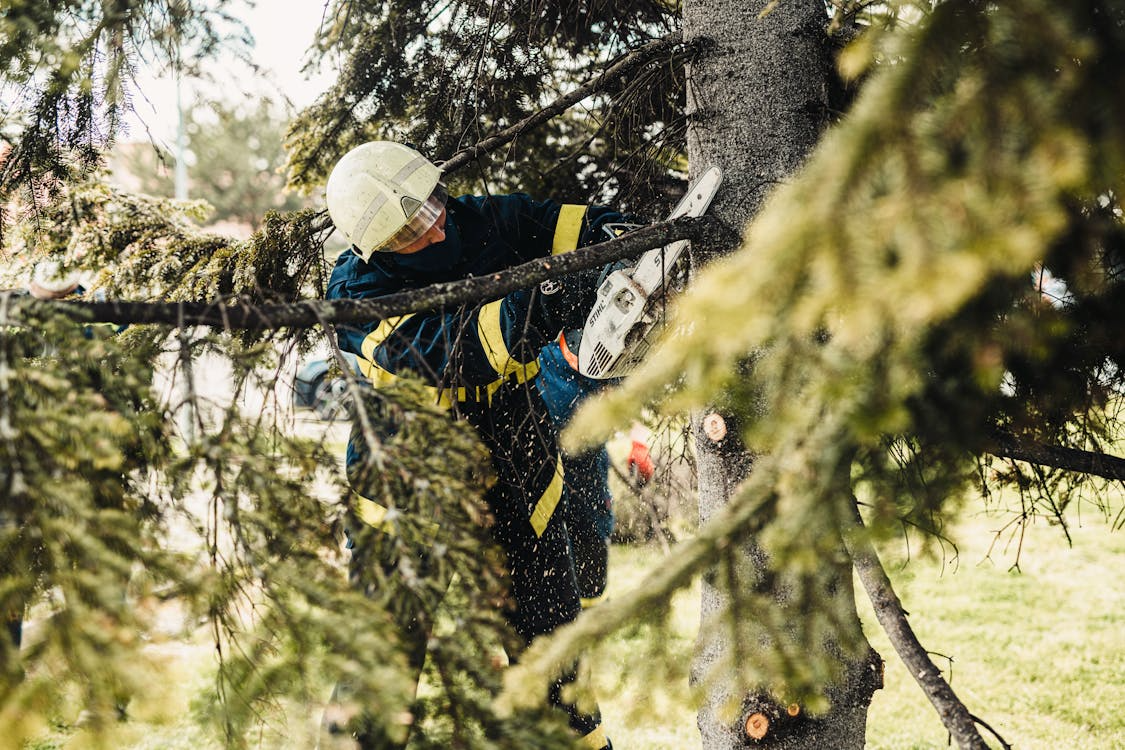
Tree trimming to prevent storm damage is one of the most effective strategies homeowners can use to reduce weather-related risks.
Trees add beauty, shade, and value to a property. However, without regular maintenance, they can also become serious hazards during storms. Heavy branches, overgrown limbs, and weakened trunks increase the risk of damage to roofs, siding, vehicles, and power lines.
Professional tree trimming reduces these risks by strengthening the tree’s structure and eliminating vulnerable growth.
Reducing the Risk of Falling Branches
Storm winds place enormous stress on tree limbs. Overgrown or dead branches are especially prone to breaking under pressure. When branches snap, they can strike roofs, windows, fences, or vehicles.
Professional trimming removes weakened or diseased limbs before storms hit. Arborists assess branch structure and identify areas of imbalance that could lead to breakage.
By thinning dense canopies, professionals reduce wind resistance, allowing air to pass through more easily. This simple adjustment significantly lowers the likelihood of storm-related damage.
Explore How Landscape Lighting Instantly Elevates Curb Appeal for outdoor improvements.
Protecting Roofs and Exterior Surfaces
Branches that hang over rooftops create ongoing risks beyond storms. Constant contact with shingles can scrape off protective granules, shortening the roof’s lifespan.
During heavy rain or wind, these limbs may shift or fall, puncturing roofing materials or damaging gutters. Even small impacts can lead to leaks and costly repairs.
Trimming back overhanging branches protects roofing systems and preserves exterior finishes. Preventative pruning reduces the chance of emergency repairs after severe weather.
See Roof Tune-Ups That Extend Shingle Life for protecting roofing systems from damage.
Preventing Power Line Hazards
Trees growing near power lines pose serious safety concerns. High winds can bring limbs into contact with electrical wires, causing outages or fire hazards.
Professional tree services understand safe clearance distances and local regulations. Proper trimming minimizes interference with overhead lines and reduces the likelihood of electrical disruption.
By maintaining safe separation from utilities, homeowners protect both their property and neighborhood infrastructure.
Strengthening Tree Health and Stability
Storm prevention is not only about removing branches; it’s also about improving overall tree health. Weak branch unions, improper growth angles, and structural defects can compromise stability.
Certified arborists shape trees strategically to encourage balanced growth. Proper pruning techniques promote stronger branch attachment and reduce the risk of splitting.
Healthier trees are better equipped to withstand wind, rain, and ice accumulation. Regular maintenance strengthens natural defenses against extreme weather.
Improving Drainage and Landscape Protection
Dense tree canopies can block sunlight and airflow, contributing to excess moisture around the home. Poor drainage conditions may weaken soil stability and affect nearby landscaping.
Strategic trimming allows more light and air circulation, improving ground conditions. Reduced leaf and branch debris also helps keep gutters and drainage systems clear.
By preventing clogged gutters and water buildup, trimming supports broader stormwater management efforts.
Check Backyard Drainage Solutions That Protect Landscaping for managing runoff properly.
Why Professional Service Is Essential
Tree trimming involves safety risks and specialized knowledge. Improper cuts can damage tree health or create hazardous growth patterns.
Professionals use appropriate equipment and follow best practices to ensure precise, safe trimming. They also identify disease, pest damage, or structural weaknesses that homeowners may overlook.
Attempting to trim large trees without proper training can lead to personal injury or property damage. Professional expertise ensures effective results and long-term tree stability.
Tree trimming is often viewed as a form of cosmetic landscaping, but it plays a substantial role in storm prevention. By removing vulnerable limbs, protecting roofs and power lines, and strengthening tree structure, professional trimming reduces the risk of costly weather-related damage. For homeowners seeking proactive protection, routine tree maintenance offers both safety and long-term peace of mind.
Consider Professional Deck Staining vs. DIY for maintaining exterior wood surfaces exposed to weather.