What appears to be short-term savings often turns into a long-term expense. Understanding the real annual HVAC maintenance cost helps homeowners make smarter decisions about system care.
Heating and cooling systems work quietly in the background, keeping homes comfortable year-round. Because they’re largely out of sight, it’s easy to postpone routine maintenance, especially when the system seems to be running fine.
However, skipping annual HVAC service can lead to higher energy bills, unexpected breakdowns, and costly repairs.
Increased Risk of Unexpected Breakdowns
HVAC systems experience continuous wear from seasonal temperature changes and daily operation. Components such as motors, belts, capacitors, and coils gradually degrade over time. Without regular inspection, small issues can go unnoticed until they cause sudden failure.
A minor refrigerant leak or worn-out capacitor may seem insignificant initially. Left unaddressed, these issues can strain the system and lead to a complete shutdown, often during peak heating or cooling seasons when demand is highest.
Emergency repairs tend to be more expensive and inconvenient than scheduled maintenance. Routine service identifies developing problems early, reducing the risk of surprise breakdowns and mid-season discomfort.
Explore When Duct Cleaning Makes a Noticeable Difference for improving airflow and performance.
Higher Energy Bills and Reduced Efficiency
Dust buildup, clogged filters, and dirty coils reduce airflow, forcing HVAC systems to work harder. When airflow is restricted, the system requires more energy to maintain the desired temperature.
Annual maintenance includes cleaning key components and verifying proper airflow. This helps the system operate efficiently and maintain manufacturer-recommended performance levels.
Even a modest decrease in efficiency can significantly increase energy costs over time. Skipping maintenance may not cause immediate financial strain, but rising monthly utility bills often reveal the hidden expense of neglect.
See HVAC Zoning Systems for Multi-Level Homes for improving heating and cooling efficiency.
Shortened Equipment Lifespan
HVAC systems represent a major investment in a home. Most systems are designed to last 15 to 20 years with proper care. However, consistent neglect can dramatically shorten that lifespan.
When components operate under strain due to dirt buildup or minor mechanical issues, overall system wear accelerates. Over time, this leads to premature replacement.
Replacing an HVAC system is far more expensive than maintaining it annually. Regular service protects your investment by extending equipment life and ensuring consistent performance.
Compromised Indoor Air Quality
HVAC systems do more than regulate temperature; they also circulate air throughout the home. Dirty filters and neglected duct components can contribute to poor indoor air quality.
During maintenance visits, technicians inspect and clean filters, check for mold or debris, and ensure proper ventilation. This improves air circulation and reduces allergens and contaminants.
Homes with pets, allergy sufferers, or high humidity particularly benefit from routine system cleaning. Skipping maintenance may allow pollutants to accumulate, affecting comfort and health.
Understand Indoor Air Purification System Installation for improving air quality throughout the home.
Voided Warranties and Reduced Protection
Many HVAC manufacturers require documented annual maintenance to maintain warranty coverage. Failing to schedule regular service may void warranty protection if major components fail.
This means homeowners could be responsible for full replacement costs even if the system is relatively new. Keeping up with scheduled maintenance preserves warranty eligibility, improve HVAC efficiency, and protects against unexpected expenses.
Professional service documentation serves as proof of care in the event of warranty claims.
Why Professional Maintenance Matters
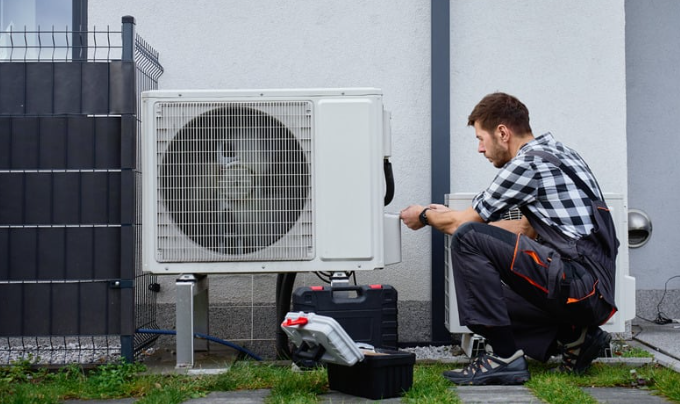
HVAC systems are complex and involve electrical, mechanical, and refrigerant components. Professional technicians use specialized tools to test system performance, measure refrigerant levels, and verify safe operation.
They also inspect electrical connections, calibrate thermostats, and check safety controls. These steps ensure the system runs reliably and safely.
Attempting DIY maintenance beyond basic filter replacement may overlook critical issues. Professional service provides a comprehensive evaluation and precise adjustments.
Skipping annual HVAC maintenance may seem like a harmless cost-cutting measure. In reality, it increases energy bills, shortens system lifespan, risks costly breakdowns, and may void warranty coverage. Regular professional service delivers peace of mind, protects your investment, and ensures consistent comfort year-round.
Consider Smart Thermostat Installation: Small Device, Big Impact for improving temperature control.