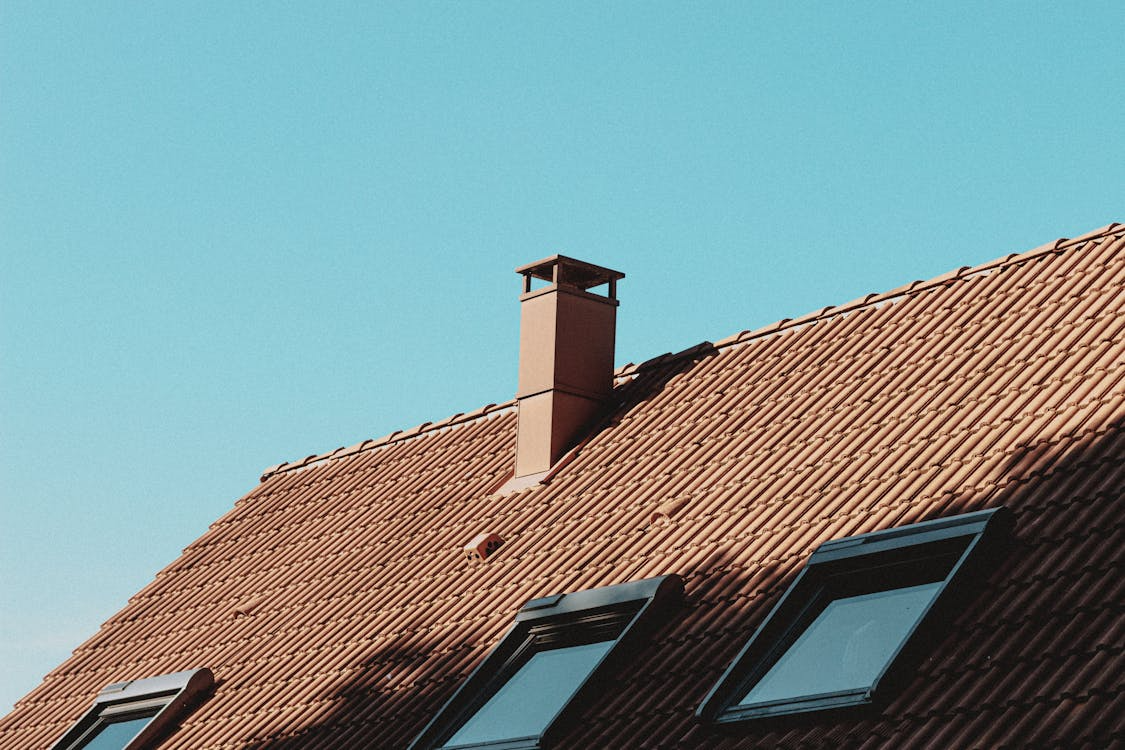
Professional chimney inspections identify risks that homeowners rarely see, including fire hazards, structural deterioration, and ventilation problems.
Chimneys are easy to ignore, especially in homes where fireplaces are used only occasionally. From the outside, everything may look intact. Inside, however, hidden damage can develop over time due to heat, moisture, and debris buildup.
What seems like a minor maintenance task can play a major role in protecting both safety and property value.
Preventing Chimney Fires
One of the most serious risks associated with neglected chimneys is creosote buildup. Creosote is a highly flammable residue created when wood burns. Over time, it accumulates along the interior flue lining.
If creosote ignites, it can cause intense chimney fires that damage masonry and potentially spread to the rest of the home. Even small chimney fires can crack liners or weaken structural components without obvious external signs.
Professional inspections evaluate creosote levels and determine whether cleaning is necessary. Early detection significantly reduces fire risk and ensures safe operation of the fireplace.
Explore Roof Tune-Ups That Extend Shingle Life for maintenance that also helps protect roofing.
Identifying Structural Damage Early
Chimneys are exposed to weather year-round. Rain, snow, freeze-thaw cycles, and shifting foundations can all cause cracks in masonry or mortar joints. Small cracks may allow moisture to penetrate, accelerating deterioration.
Over time, moisture infiltration can damage flue liners, rust metal components, and weaken structural integrity. Loose bricks or deteriorating mortar may eventually require costly repairs if left unaddressed.
A thorough inspection checks for visible and hidden structural issues. Addressing minor problems early prevents expensive reconstruction later.
Check Foundation Inspections Before Cosmetic Renovations to understand how structural issues.
Ensuring Proper Ventilation
Chimneys are designed to vent smoke, gases, and combustion byproducts safely out of the home. Debris, nests, or collapsed liners can block airflow and create dangerous conditions.
Poor ventilation may cause smoke to back up into living spaces or allow carbon monoxide to accumulate. These issues pose serious health risks.
Professional inspectors verify that the flue is clear and that ventilation systems function properly. They also examine damper operation and confirm that the chimney cap remains securely in place.
Consider Indoor Air Purification System Installation for additional strategies to improve air quality.
Protecting Insurance and Compliance Requirements
In some regions, insurance providers recommend or require regular chimney inspections. Documented inspections demonstrate proactive maintenance and may support coverage eligibility.
If a fire or damage occurs, insurers may review maintenance history. Failure to perform routine inspections could complicate claims.
Maintaining professional records not only supports insurance protection but also provides documentation for future buyers. A well-maintained chimney signals responsible homeownership.
When Inspections Are Most Important
Homes that burn wood regularly require more frequent inspection than those with gas fireplaces. However, even unused chimneys can develop issues due to weather exposure and structural settling.
Before buying or selling a home, scheduling an inspection provides valuable insight. It can reveal hidden defects that may influence negotiations or repair planning.
Annual inspections are generally recommended for active fireplaces. Homes in colder climates or older properties may benefit from additional monitoring.
Read Fire Sprinkler Installation in Residential Homes for additional ways to strengthen home protection.
Why Professional Evaluation Matters
Chimney systems are complex, with components that are not visible without specialized tools. Professionals use cameras and diagnostic equipment to examine interior flue liners and identify hidden damage.
Attempting DIY inspections rarely reveals deeper issues. Professionals understand building codes, material standards, and fire safety requirements.
Their evaluation ensures the chimney system operates safely and efficiently. Proper assessment protects both structural integrity and household safety.
Chimney inspections may not feel urgent, but they are important. By preventing fires, identifying structural issues, and ensuring proper ventilation, routine inspections protect your home and family. What begins as a simple evaluation can prevent major hazards and preserve long-term value.